We are witnessing that our environment is severely damaged due to negligence and underdeveloped ecological awareness, which can and already significantly affects health, the economy, and consequently the quality of life in Serbia. Insufficient afforestation, poor condition of rivers and riverbeds, the impact of climate change, and increasing human neglect for the environment in which and from which they live, pose an increasing threat to human life and health.
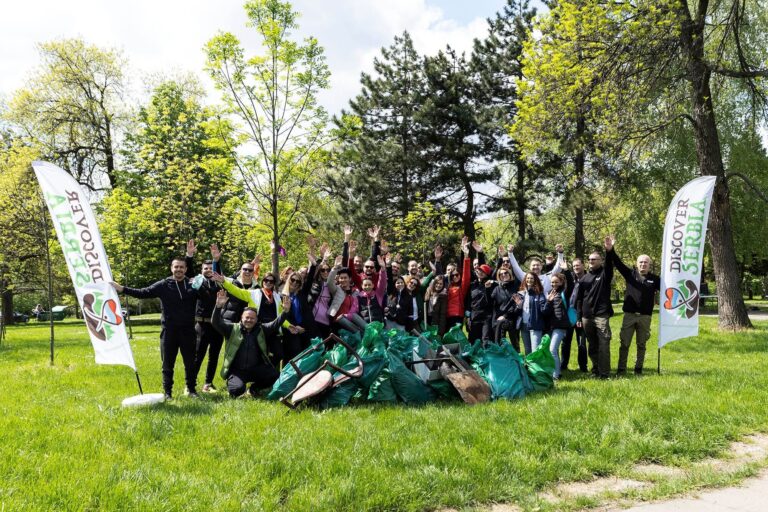
On Saturday, June 3rd, a cleanup action was held on the Bosut Canal, which is an integral part of the Zasavica Special Nature Reserve. This initiative brought together more than 70 volunteers from various IT companies from Belgrade. Six boats from the Ecological Fleet were engaged in the action, during which 6m³ of floating waste was collected.
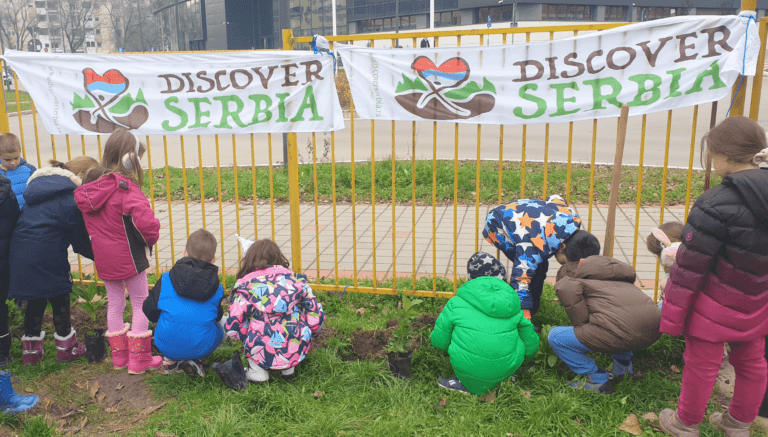
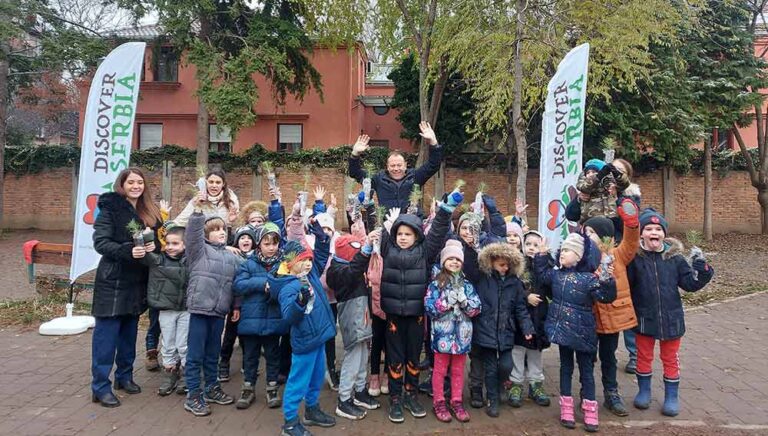
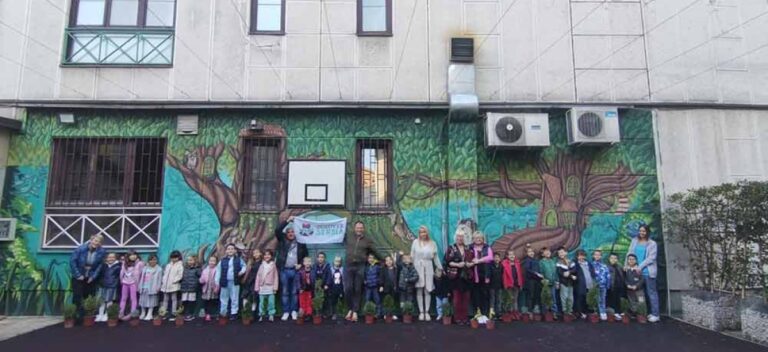
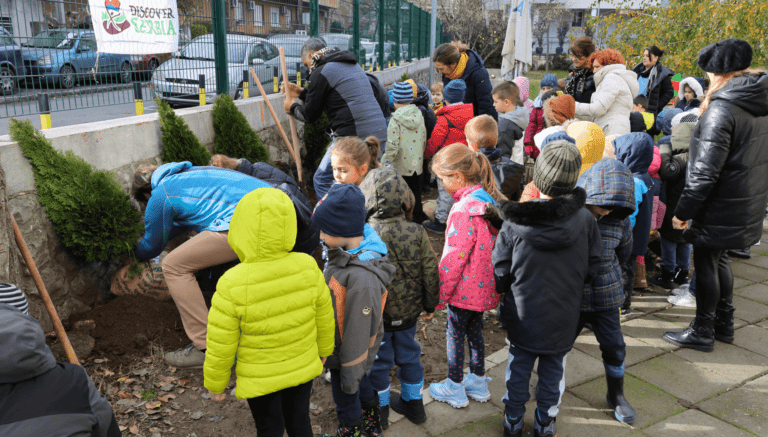
On Tuesday, May 23rd, from 1-4 PM, we organized an ecological action to green the yard of “Sonja Marinković” Elementary School in Zemun, with support from Microsoft volunteers.
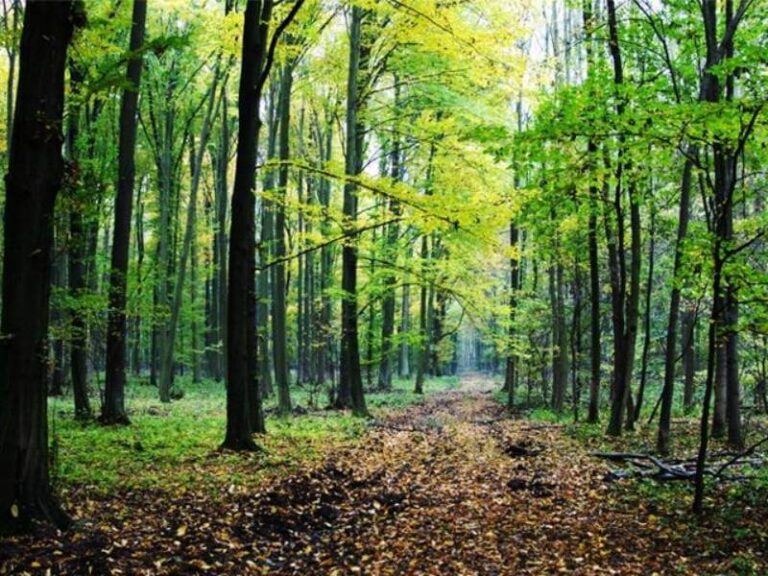
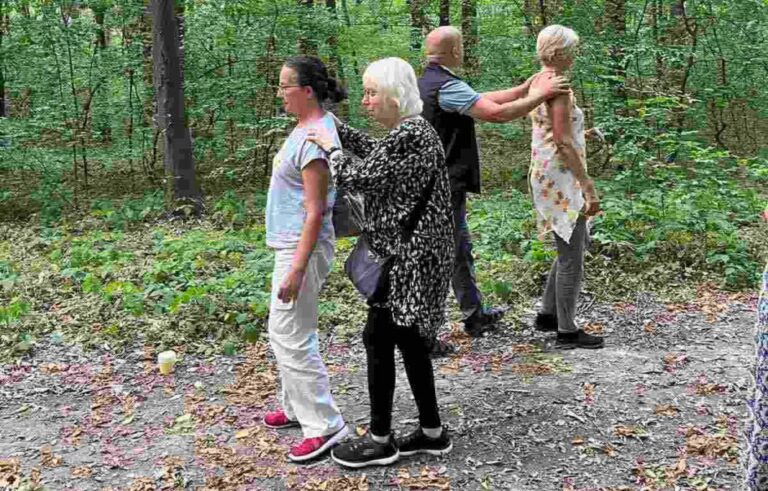
Spending time in the forest offers numerous health benefits, including stress reduction, mood improvement, and strengthening of the immune system. Regular walks through the forest can positively impact physical and mental health, providing refreshment and relaxation.
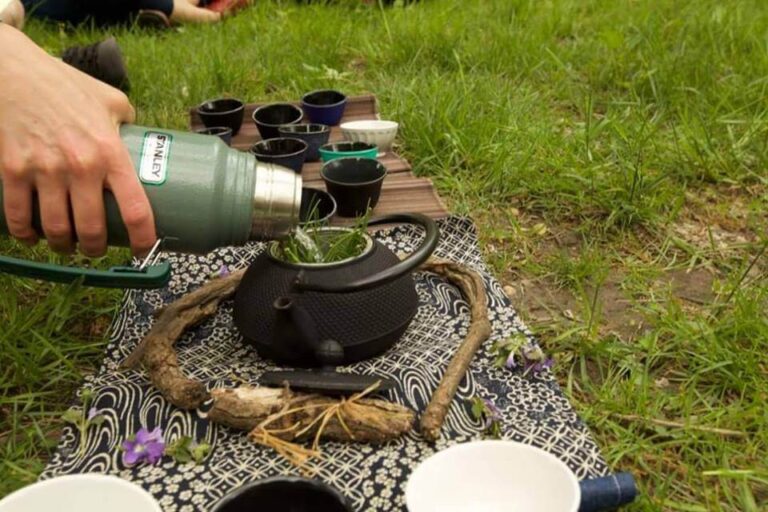
Shinrin yoku, or forest bathing (bathing in forest air), has been an element of the healthy lifestyle tradition of Japanese citizens for centuries. In Korea, this procedure is called Sanlimyok; in Finland, they practice it, but do not have a traditional name; in Ireland, it is called Boladh na Sioga, or bathing in the breath of a forest fairy. The term “Forest medicine” was introduced in Japan in 2006, the following year in England, and since 2009, a summer school of forest medicine has been held at the Harvard University Medical School.
Among the first in the Balkan region to recognize forest medicine programs in the fields of health tourism and public health was a team of experts for the research and development of wellness and medical SPA programs from the Medical SPA Association of Serbia (MSPAAS).
We are all aware of the modern lifestyle, its pace, irregular eating habits, lack of sleep, excessive daily activities, followed by lack of concentration, stress, and other negative aspects. Is there an alternative to all this, and how can we counteract the harmful effects of an unhealthy life? The answer lies in so-called “Forest Medicine” and returning to nature. Here’s how!
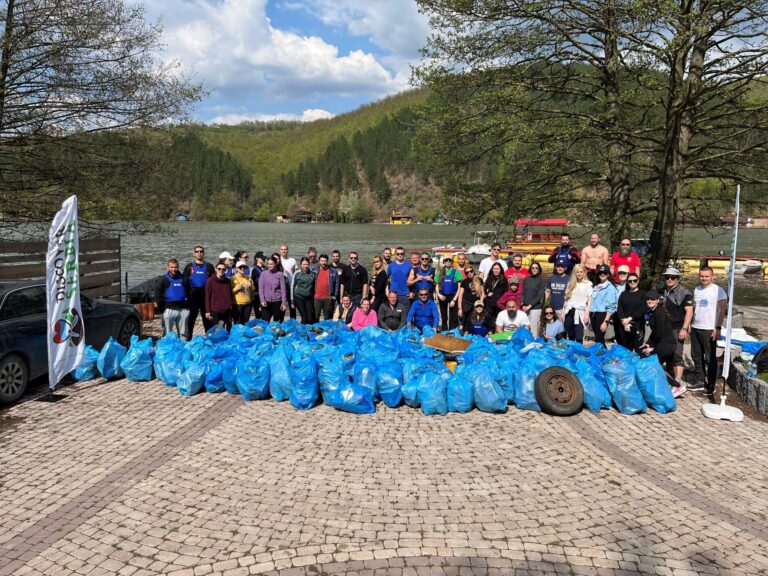
In an effort to preserve the aquatic ecosystem, Discover Serbia carried out a unique cleanup of Lake Međuvršje. During this one-day environmental engagement, volunteers removed waste and debris from the water surface, making the lake cleaner and safer for wildlife and the local community.
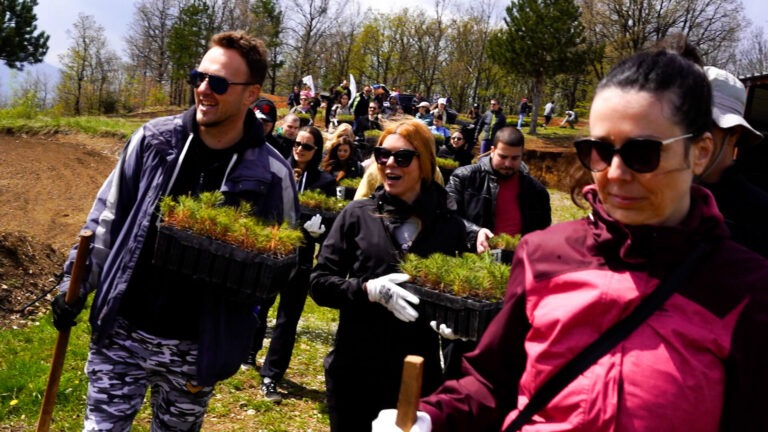
In line with its commitment to environmental protection, the Discover Serbia team organized an impressive reforestation campaign on Mount Jeljen. This ecological action aimed not only to enrich the local ecosystem but also to provide volunteers with the opportunity to directly contribute to a greener and healthier environment.
By 2021, Serbia has designated 471 protected areas covering over 680,000 hectares, which is slightly less than 8% of Serbia’s territory. In the past period, these areas have been managed through the implementation of legal provisions on preservation, establishing internal order, and sustainable management. In my opinion, this is the perfect moment to create a unique tourist offering within these areas with clear, recognizable tourism products that will align with ecological principles.